The paint is wet; the tale just woke.
Chapter one · A street can return in pieces
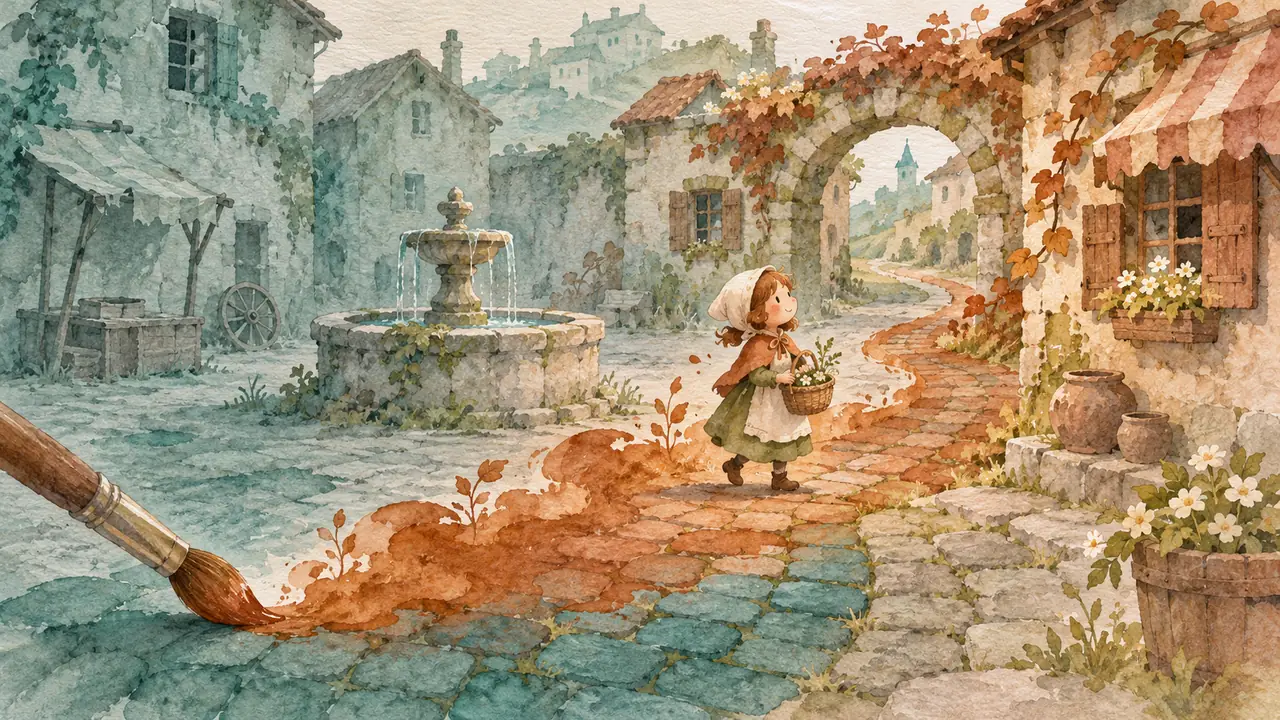
A baker’s sign is still visible in the village square, but the baker is missing. A thin wash applied beside the low wall can spread to the threshold if you leave a dry seam beside it. When the doorstep begins to take color again, the first trace of a figure appears. Tintivy Atelier makes storybook concepts about putting back enough of a place to see who can return to it.
The first chapter follows the wash where it meets an edge. A light touch leaves some of the paper visible. A heavier touch carries color around a corner and can reach a place the painter did not intend to change yet. You can stop and watch the boundary for a moment before putting another stroke next to it.
Chapter two · Follow a returning figure
In The Washed Square, a first path brings the baker back to a recognizable doorway. The next trace belongs to a bench and a child waiting beside it. Choose which little piece of the route to restore while the first patch dries. The former routes remain visible in the page, even where color is still missing.
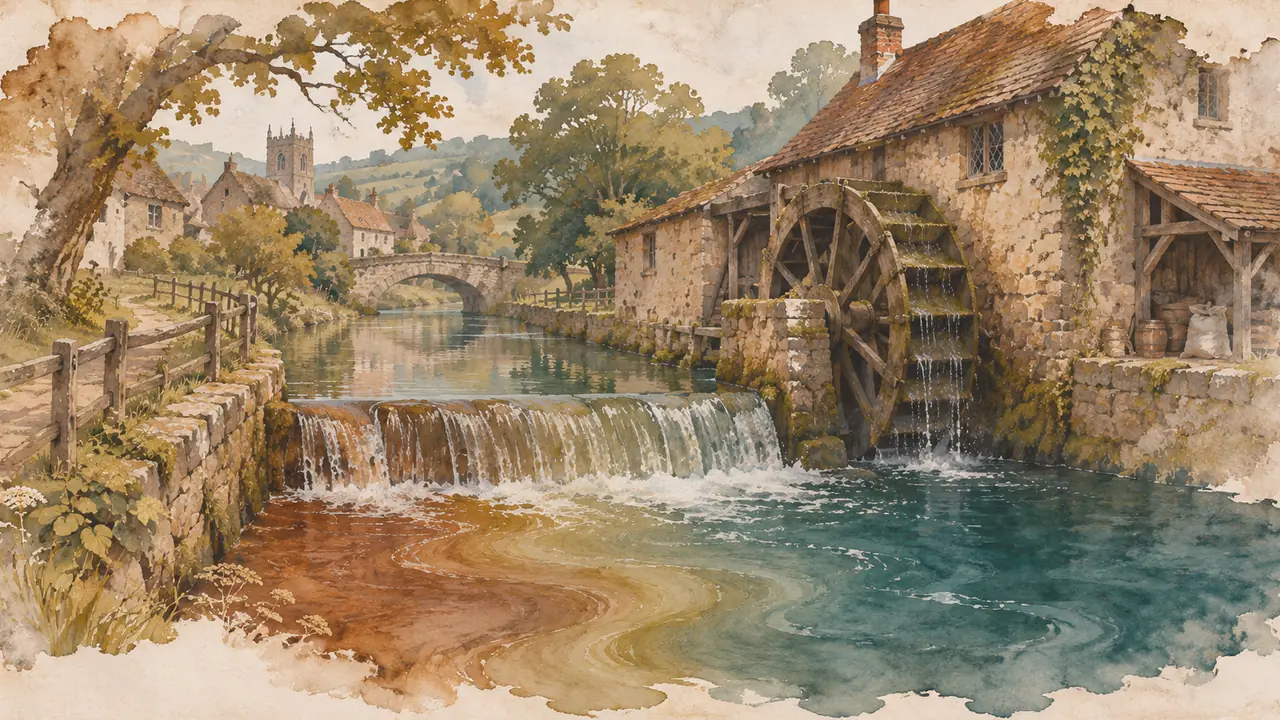
The Mill Race uses a cooler wash beside a weir. You can bring back the miller’s crossing by guiding one stroke to the right bank. A different shade lets you find the person who uses the upstream channel. The game leaves a little time to see how water carries the color before you cover another part of the scene.
Chapter three · Open a trial at the end of the study
Painted Chapters puts a short brush trial at the end of each case. Read the scene first, choose a stroke and see which part of the village your trial restores. The result is part of the page and is available without an account. The Wash Journal keeps the smaller changes in order, including the dry edge that supports a return and a weir that separates two washes.
These chapters describe fictional concepts in development. They preserve the mark that made each small choice possible so the next painting can build on it.